
Why does my water smell stronger at certain times of the year in Houston?
If you’ve ever noticed that your tap water suddenly smells more chemical, earthy, or “pool-like” during certain months, you’re not imagining it. Many Houston homeowners experience seasonal changes in water odor, even when nothing has changed inside their home.
The reason comes down to how Houston’s water is treated, where it comes from, and how those factors shift throughout the year.
Why water smell changes seasonally
Houston’s drinking water comes from a mix of surface water sources and groundwater, and treatment methods adjust throughout the year to maintain safety. As conditions change, so does how your water smells.
Changes in disinfectant levels
Houston uses chloramines to disinfect its water supply. During warmer months, higher temperatures increase bacterial growth potential in the distribution system. To compensate, utilities may adjust disinfectant dosing.
When chloramine levels increase, homeowners may notice:
Stronger chlorine or chemical smell
“Swimming pool” odor
More noticeable smell when water is hot or steaming
These smells are often strongest in summer and early fall.
Temperature amplifies odor
Warm water releases dissolved gases more easily than cold water. As temperatures rise, chloramines and other compounds volatilize faster, making odors more noticeable at the faucet, in the shower, or when running hot water.
This is why many people notice stronger smells:
During hot showers
When filling sinks with warm water
In summer months
Seasonal source water changes
Houston may shift between different water sources depending on rainfall, drought conditions, and demand. Surface water, especially during warmer months, can carry more organic material.
When disinfectants react with organic matter, they can create:
Earthy or musty odors
Chemical smells
Changes in taste and smell without a change in safety
Common seasonal smells Houston homeowners report
Depending on the time of year, homeowners may notice:
Chlorine or chloramine smell
Earthy or “pond-like” odor
Metallic smell
Stronger odor only when water is hot
These odors are usually harmless from a regulatory standpoint, but they can be unpleasant and disruptive to daily life.
Why the smell seems to come and go
Seasonal water odor changes are influenced by:
Outdoor temperature
Water source changes
Disinfectant adjustments
Water age in the distribution system
Neighborhood demand and pipe length
This explains why the smell may appear suddenly, fade, then return weeks later.
Why boiling or running the water doesn’t solve it
Letting water run or boiling it may temporarily reduce odor, but it does not remove the underlying cause. Chloramines and dissolved compounds remain in the water and continue to affect smell and taste.
This is why the issue often returns quickly.
How water treatment stabilizes water smell year-round
Whole-home carbon filtration
Carbon filtration reduces chlorine and chloramines before water reaches your faucets, showers, and appliances. This dramatically improves odor consistency throughout the year.
Benefits include:
Reduced chemical smell
Improved shower and bath comfort
Better-tasting drinking water
Protection for plumbing and appliances
Reverse osmosis for drinking water
For homeowners most sensitive to taste and odor, reverse osmosis provides an added layer of purification at the kitchen sink.
R.O. removes:
Chloramines
Dissolved solids
Compounds that affect taste and smell
Together, these systems eliminate seasonal surprises.
Why this is especially common in Houston
Houston’s size, climate, and water infrastructure make seasonal variation more noticeable than in smaller cities. Long distribution lines and high summer temperatures amplify odor changes.
This is why two homes in different neighborhoods can have very different experiences.
Why Environmental ProTech
Environmental ProTech has been treating Houston water for over 30 years. We understand seasonal changes, local water sources, and how disinfectant levels fluctuate throughout the year.
When you schedule a water test, we:
Measure chlorine and chloramine levels
Evaluate overall water chemistry
Explain why odors change
Design a system to stabilize water quality year-round
We focus on solving the cause, not just masking the symptom.
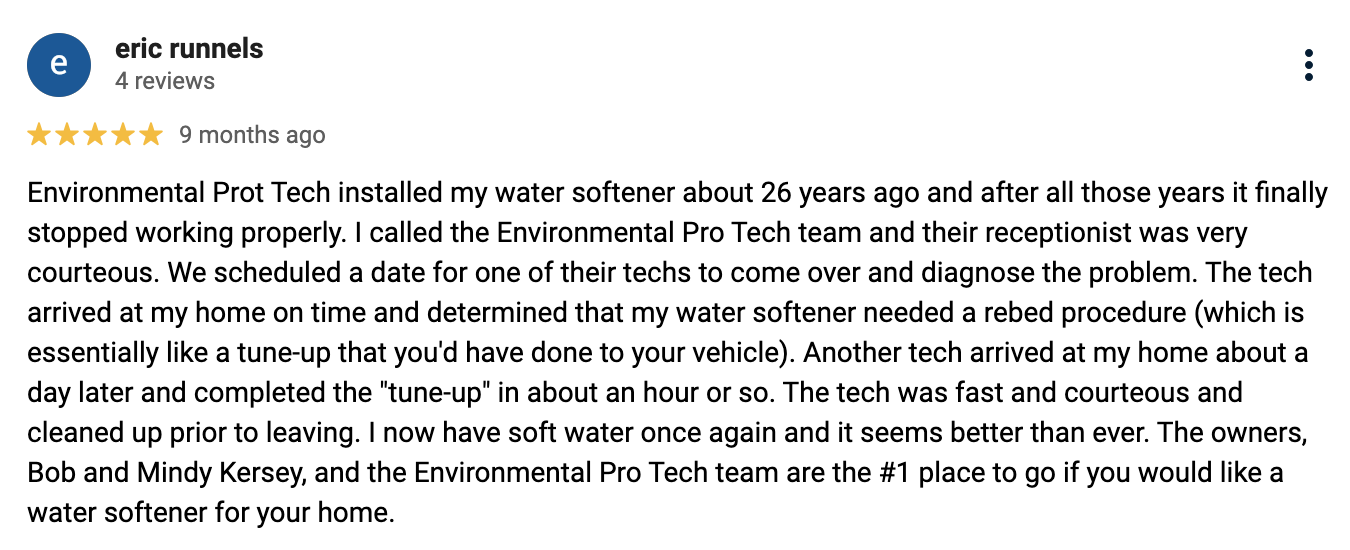
PS. We have over 30 years experience in bringing clean water to the Houston Homeowners. Our reviews speak for themselves! If you want clean drinking water from your faucet, contact us at 281-495-4420 to schedule your free water test today.
Sources
Environmental Protection Agency – Chloramines in Drinking Water
https://www.epa.gov/dwreginfo/chloramines-drinking-waterU.S. Geological Survey – Taste and Odor in Drinking Water
https://www.usgs.gov/special-topics/water-science-school/science/taste-and-odor-waterTexas Commission on Environmental Quality – Drinking Water Quality
https://www.tceq.texas.gov/drinkingwater/quality.htmlCenters for Disease Control and Prevention – Drinking Water Disinfection
https://www.cdc.gov/healthywater/drinking