
Houston Water & Disinfection Byproducts (DBPs)
You expect chlorine in your water because it keeps it safe from bacteria and disease. But what most Houston homeowners don’t realize is that chlorine can create something less talked about but equally important to understand.
They’re called disinfection byproducts, or DBPs, and they form when chlorine reacts with natural organic matter during the water treatment process. While they’re regulated and usually found in small amounts, long-term exposure to DBPs can raise concerns, especially for families who drink unfiltered tap water daily.
How DBPs Form in Houston Water
When chlorine is added to disinfect water, it reacts with organic materials like decaying leaves, plant matter, and even tiny bits of soil or sediment. The result of that chemical reaction is a group of compounds known as disinfection byproducts.
The most common DBPs include:
Trihalomethanes (THMs)
Haloacetic acids (HAAs)
Houston’s water treatment system does an excellent job keeping these levels within regulatory limits, but because these byproducts form during disinfection itself, they can’t be avoided completely.
The Long-Term Concerns*
DBPs have been studied for decades, and while the levels in treated water are generally considered safe, long-term exposure has been linked to potential health risks.
Research suggests possible associations with:
Increased risk of certain cancers
Reproductive and developmental issues
Liver and kidney stress with prolonged exposure
The U.S. Environmental Protection Agency has set limits on DBPs to minimize these risks, but many families choose to go further by filtering their water at home especially when it comes to what they drink and cook with every day.
* Always speak to your doctor regarding health conditions. Anything we share regarding results are from real customers reporting changes, they are not medical reports or medical advice. Always consult your doctor first.
Why Houston Uses Chloramines Instead
To reduce DBP formation, Houston has moved toward using chloramines, a blend of chlorine and ammonia. Chloramines are more stable and produce fewer disinfection byproducts than chlorine alone.
It sounds good, they come with their own challenges:
Weaker disinfectant power compared to chlorine
Can cause taste and odor issues
May form other chemical compounds of concern such as NDMA
Not easily removed by standard filters
So while chloramines reduce one risk, they introduce another layer of complexity for homeowners who want the cleanest possible water.
How to Protect Your Family from DBPs
The good news is that DBPs and residual chloramines can be reduced significantly with the right water filtration system.
Call now to find out which water system is best for your home! We have tested most (if not all) of the public water throughout Houston and can help you identify the perfect water treatment solution for your home.
Why Environmental ProTech
Environmental ProTech has been helping Houston homeowners enjoy cleaner, safer water for over 30 years. We understand how Houston’s water is treated, where DBPs are likely to form, and which systems deliver long-term results.
When you work with us, you get:
A professional evaluation
Custom filtration design tailored to your home’s needs
Expert installation and support from Houston’s most trusted water specialists
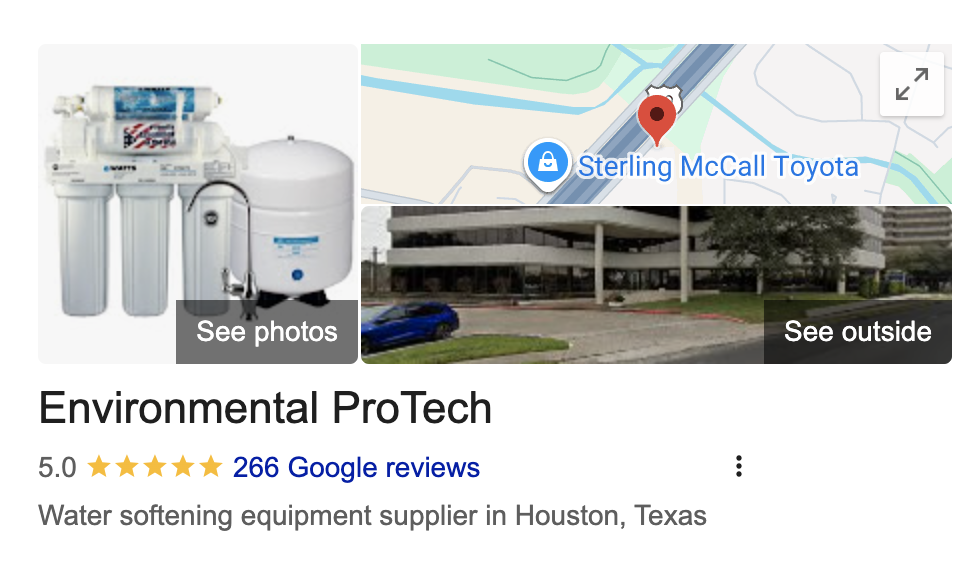
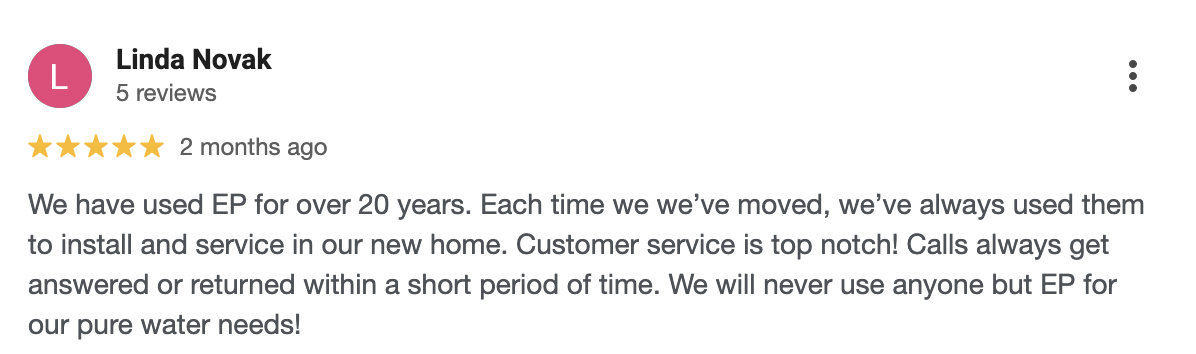
Our reviews speak for themselves! If you want clean water from your faucet, contact us at 281-495-4420 to schedule your water test today.
Take our 60 second quiz to find out which water system is right for your home:
PS. We have over 30 years experience in bringing clean water to the Houston Homeowners. Our reviews speak for themselves! If you want clean drinking water from your faucet, contact us at 281-495-4420 to schedule your free water test today.
Continue reading about the chemicals in Houston’s water here: What you need to know about: CHLORAMINES