
Why do I need salt in my water softener?
Salt is one of the most misunderstood parts of a water softener. Many Houston homeowners see the salt tank, keep it filled, and never fully understand why it’s there or what it actually does.
OR worse… they want soft water but want a salt-less system which will not remove hardness.
So let’s answer the question clearly:
Why is salt necessary for a water softener to work at all?
What hard water actually is:
Houston water contains naturally occurring minerals, primarily calcium and magnesium. These minerals cause what’s known as hard water.
Hard water leads to:
Scale buildup on fixtures and appliances
Reduced water heater efficiency
Soap that won’t rinse clean
Dry, irritated skin and hair
Cloudy glassware and stiff laundry
A water softener removes these minerals before the water reaches your home.
What the softener resin does:
Inside every water softener is a resin tank filled with tiny resin beads. These beads are negatively charged and attract positively charged minerals like calcium and magnesium.
As hard water flows through the resin:
Calcium and magnesium stick to the beads
Softened water continues into your home
Over time, the resin becomes saturated with hardness minerals. When that happens, it must be cleaned and reset. That’s where salt comes in.
What salt actually does in a water softener:
Salt is used to create a brine solution during the regeneration cycle.
That brine:
Flushes calcium and magnesium off the resin beads
Recharges the resin so it can soften water again
Resets the system for the next cycle
Without salt, the resin cannot regenerate. Once the beads are full, the system stops softening—even if water is still flowing.
In simple terms:
Salt doesn’t soften the water directly. It restores the softener’s ability to keep working.
Why salt-free systems work differently:
Some homeowners ask why salt is needed when they see “salt-free” systems advertised.
Salt-free conditioners:
Do not remove calcium or magnesium
Do not regenerate resin
Do not prevent scale buildup the same way
They alter how minerals behave but do not soften water in the traditional sense. For most Houston homes with moderate to high hardness, salt-based softeners remain the most effective option.
What happens if you don’t add salt:
When salt runs out or isn’t dissolving properly:
The resin becomes exhausted
Hard water passes through untreated
Scale begins forming again
Skin, hair, and appliance issues return
Many homeowners don’t realize their water has gone hard again until weeks later.
How much salt a Houston softener should use:
In a properly sized and programmed system, salt usage is predictable. Most Houston homes add salt every 4 to 8 weeks, depending on:
Household size
Water hardness
Daily water use
System efficiency
Using far more or far less often signals a system issue that needs service.
Just a few reasons why customers choose Environmental ProTech

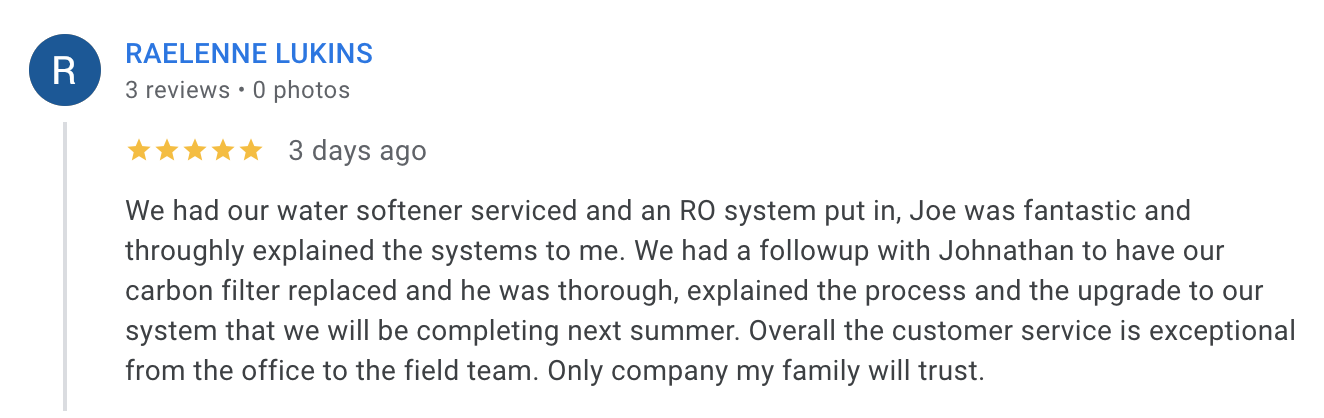
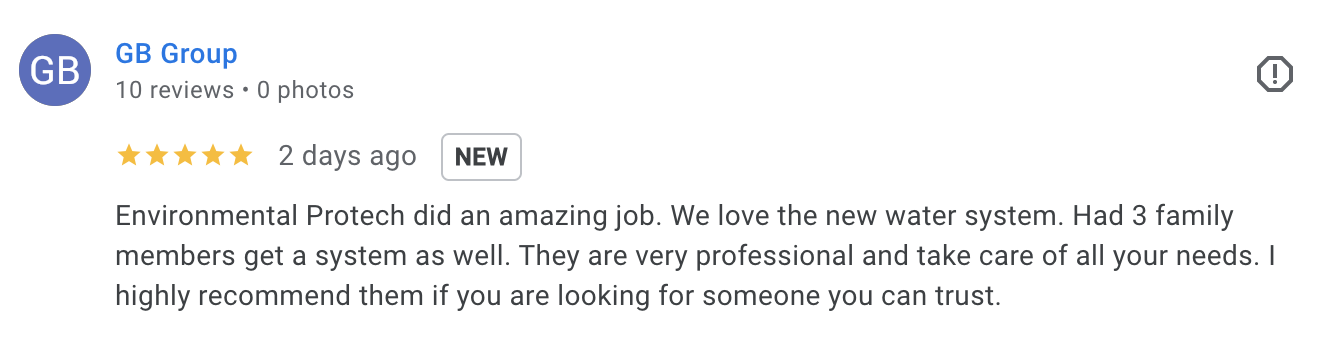
PS. We have over 30 years experience in bringing clean water to the Houston Homeowners. Our reviews speak for themselves! If you want clean drinking water from your faucet, contact us at 281-495-4420 to schedule your free water test today.
Sources
Water Quality Association – How Water Softeners Work
https://www.wqa.org/learn-about-water/water-treatment/how-water-softeners-workU.S. Geological Survey – Water Hardness
https://www.usgs.gov/special-topics/water-science-school/science/hardness-waterEnvironmental Protection Agency – Drinking Water and Treatment
https://www.epa.gov/sdwa